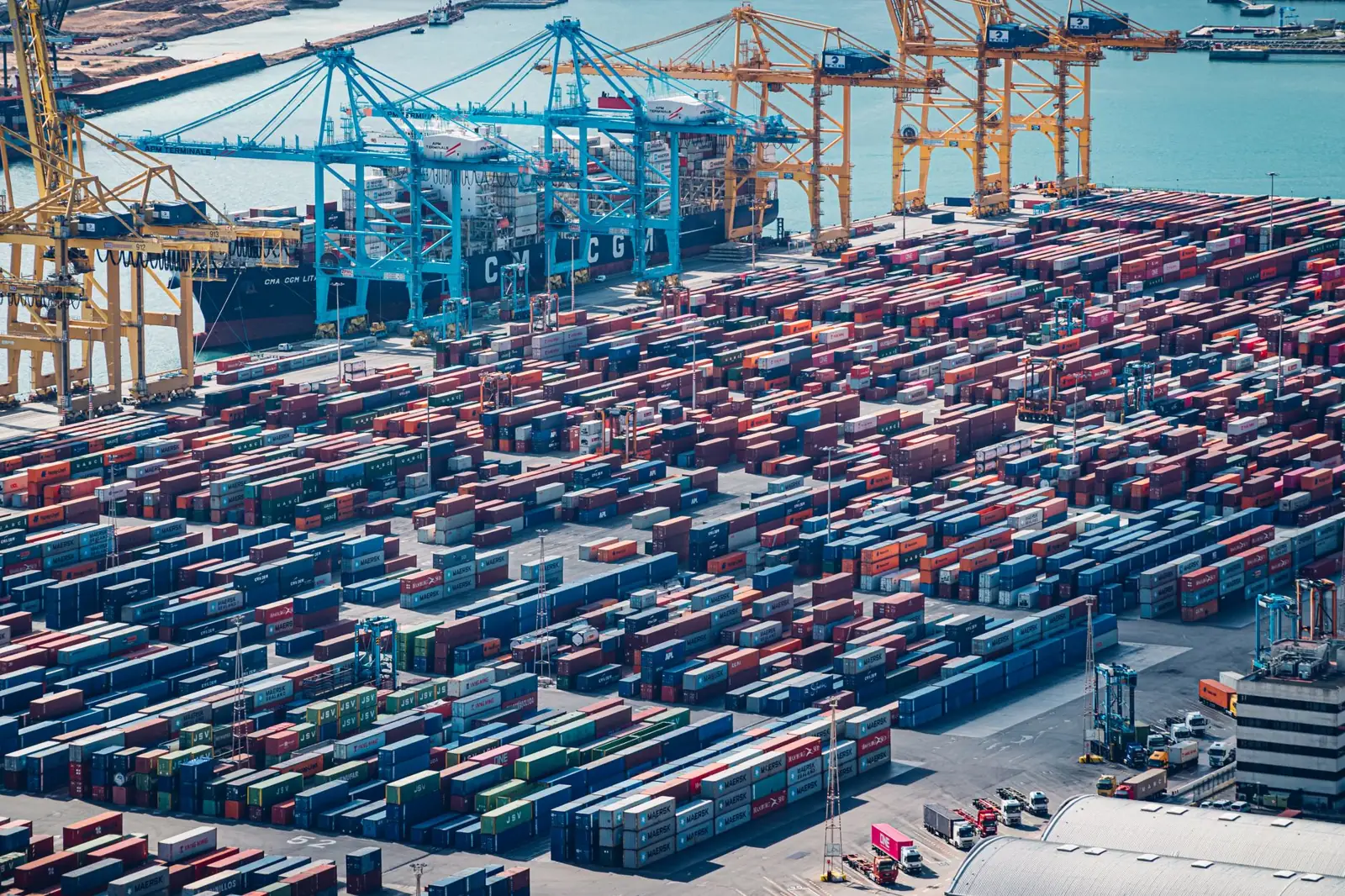
What a drayage move includes
Drayage is the short truck leg that connects an ocean container to everything else: the marine terminal to your warehouse, the terminal to a rail ramp, or an inland IPI rail ramp to a consignee. We coordinate import and export moves in 20', 40', 40' high cube and 45' equipment through vetted, TWIC-carded port drayage carriers at each gateway.
- Import pulls: terminal or rail ramp to your dock, live unload or drop-and-hook, empty back to the return location the ocean carrier names.
- Export deliveries: empty pickup, load at the shipper, full return to the terminal inside the earliest return date and cutoff.
- IPI rail ramp drayage: inland moves from Chicago, Dallas, Memphis or Kansas City ramps when the box moved on a through bill of lading.
- Bonded moves: in-bond containers to a bonded warehouse or CFS with the carrier's bond and the right entry paperwork.
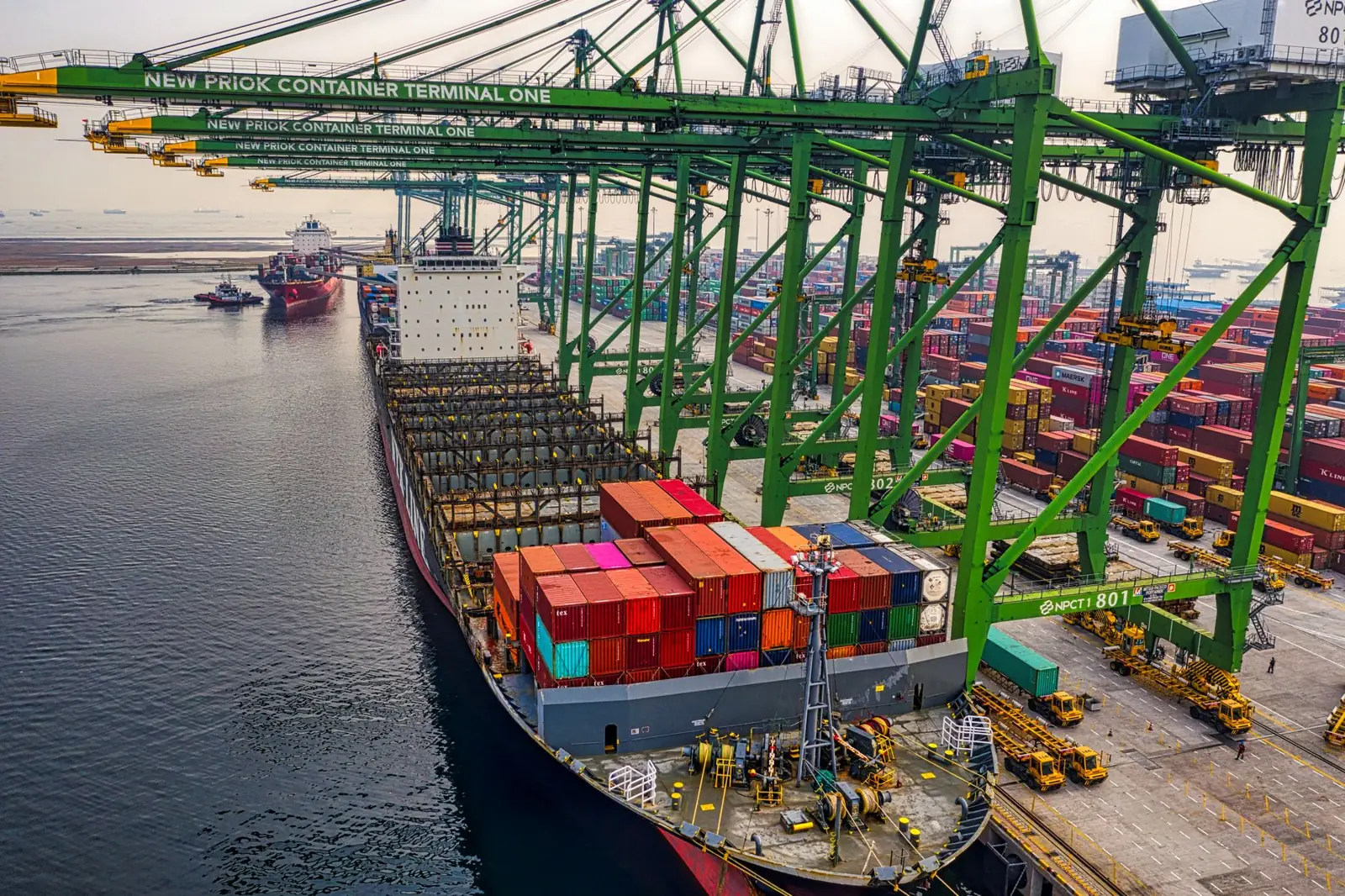
Live unload or drop-and-hook
Live unload keeps the driver at your dock while the box is emptied. It is cheapest when you can unload in the carrier's free waiting time (usually 1–2 hours) and the receiver gives a firm appointment. After that, driver detention bills by the hour.
Drop-and-hook leaves the loaded container on its chassis at your yard and comes back for the empty. You pay chassis days for every day the box sits, and the ocean carrier's detention clock keeps running, but you free the driver and unload on your schedule. It pays when unloading takes longer than two hours or your crew works a different shift from the terminal gate.
Terminal access and appointments
Every driver on a Tano move holds a Transportation Worker Identification Credential (TWIC) and is registered with the terminal's appointment system. At the San Pedro Bay ports that means PierPASS-compliant gate moves; in NY/NJ it means working through terminal appointment windows that fill fast during peak weeks. Dual transactions (dropping an empty and pulling a full on the same visit) are booked wherever the terminal allows them, because they cut one trip out of the cycle.
2026 baseline linehaul by port
| Gateway | 20' | 40' / 45' |
|---|---|---|
| Los Angeles / Long Beach | $450–$650 | $600–$900 |
| New York / New Jersey | $300–$500 | $400–$700 |
| Savannah, Houston, regional rail ramps | $200–$600 | $200–$600 |
Base linehaul for moves under roughly 100–200 miles from the terminal, before accessorials. 2025–2026 market ranges.
Itemized pass-through billing
A drayage quote that bundles port fees into the linehaul hides where the money goes. Ours keep these separate so you can match them to the terminal's own charges:
- PierPASS Traffic Mitigation Fee at LA/Long Beach: $40.63 per 20', $81.26 per 40'/45' (effective August 1, 2026)
- Clean Truck Fund at LA/Long Beach: $10 per TEU, $20 per 40'+, waived for zero-emission trucks
- Terminal demurrage and storage, billed at the terminal's rate with the terminal invoice attached
- Chassis, pre-pull, yard storage and driver detention, each on its own line (see the accessorial guide)
Container close to its Last Free Day? Run it through the demurrage & pre-pull calculator first: it shows the day a pre-pull starts saving money.