From floor-loaded box to domestic trailer
Transloading moves cargo out of the ocean container at a warehouse near the port and into a 53' domestic dry van for the rest of the trip. The marine container goes back empty within a day or two, so the ocean carrier's detention clock and the chassis rental stop early, and the long-haul leg rides in a trailer that holds more.
- Devanning. The floor-loaded 20', 40' or 40'HC container is unloaded carton by carton at the dock.
- Sorting. Cartons are sorted by SKU, PO or destination store / fulfillment center.
- Palletizing and wrap. Built onto pallets to the receiver's spec (height, labels, corner boards) and shrink-wrapped.
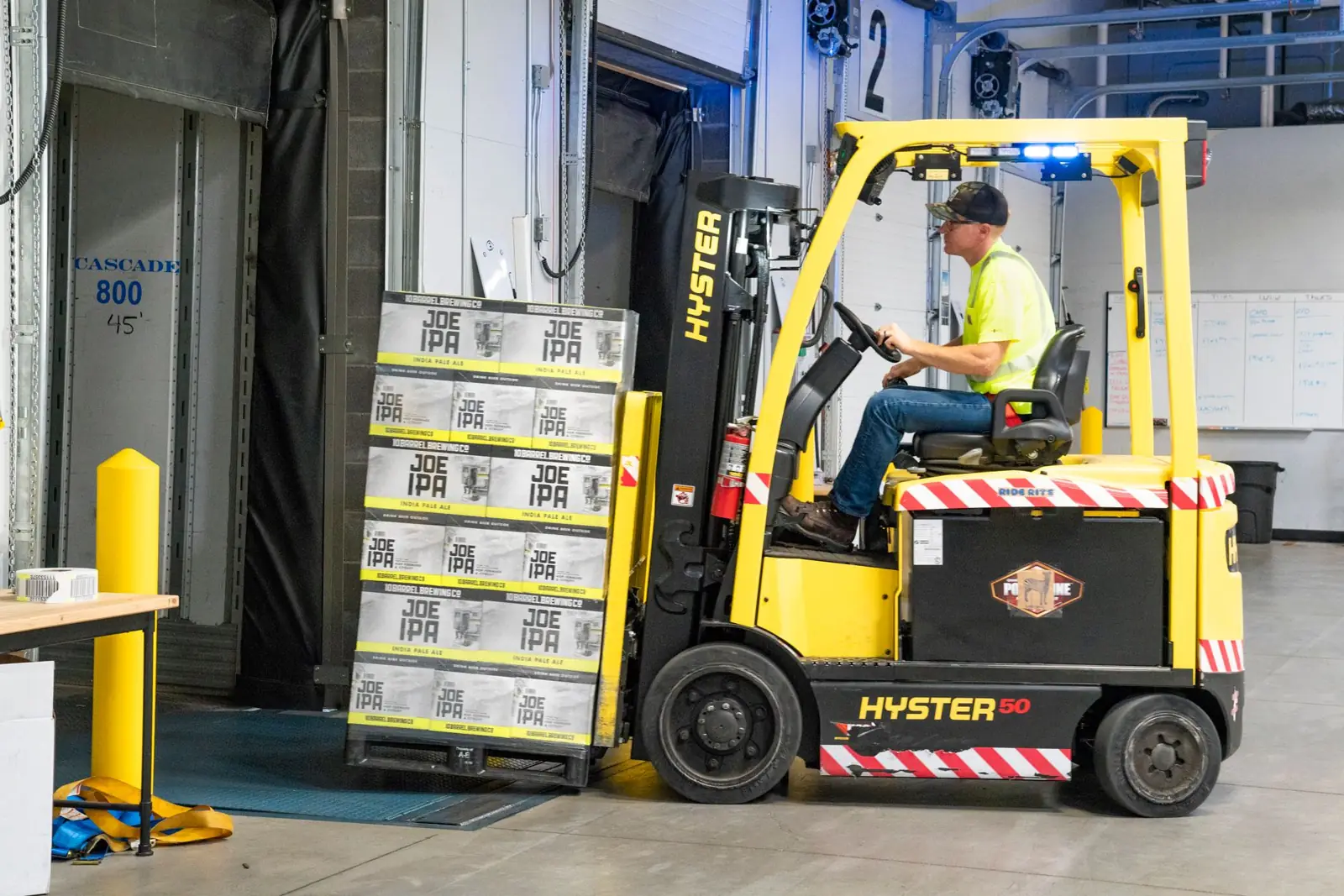
- Reload. Pallets go into 53' dry vans for FTL or LTL distribution, or stay in short-term storage.
- Empty return. The empty ocean container goes back to the line's return location, usually inside detention free time.
2026 transload cost by port (40' floor-loaded)
| Port market | Typical all-in per 40' |
|---|---|
| Los Angeles / Long Beach (Inland Empire) | $750–$1,200+ |
| New York / New Jersey (Port Newark / Central NJ) | $850–$1,350+ |
| Savannah (GA/SC corridor) | $650–$1,050 |
| Houston (Barbours Cut / Bayport) | $700–$1,100 |
Devanning, palletizing and reload for one 40' floor-loaded container, excluding drayage to the warehouse and outbound freight. 2025–2026 market ranges.
Where the money goes
| Component | Typical rate | For one 40' |
|---|---|---|
| Floor-load devanning | Flat per container | $350–$600 |
| Palletizing & shrink-wrap | $4.00–$7.00 per pallet | $300–$500 (20–24 pallets) |
| SKU sorting | $0.05–$0.15 per carton or $35–$50/hr | Varies with SKU count |
When transloading pays
Three 40' high cube containers (about 2,350–2,650 usable cubic feet each) often fit into two 53' dry vans (3,800+ cubic feet each). On a long inland haul that removes roughly a third of the linehaul miles. Add the detention and chassis days you avoid by returning the marine box within 48 hours, and transloading usually beats hauling the container inland once the destination is more than about 150 miles from the port or the freight is split across several destinations.
For short local moves to a receiver with dock space, direct drayage stays cheaper. The full comparison, with worked numbers, is in transload vs. direct drayage.
Retail and fulfillment-center receivers often reject floor-loaded freight. If your PO requires palletized, labelled cargo, transloading at the port is usually where that work is cheapest.