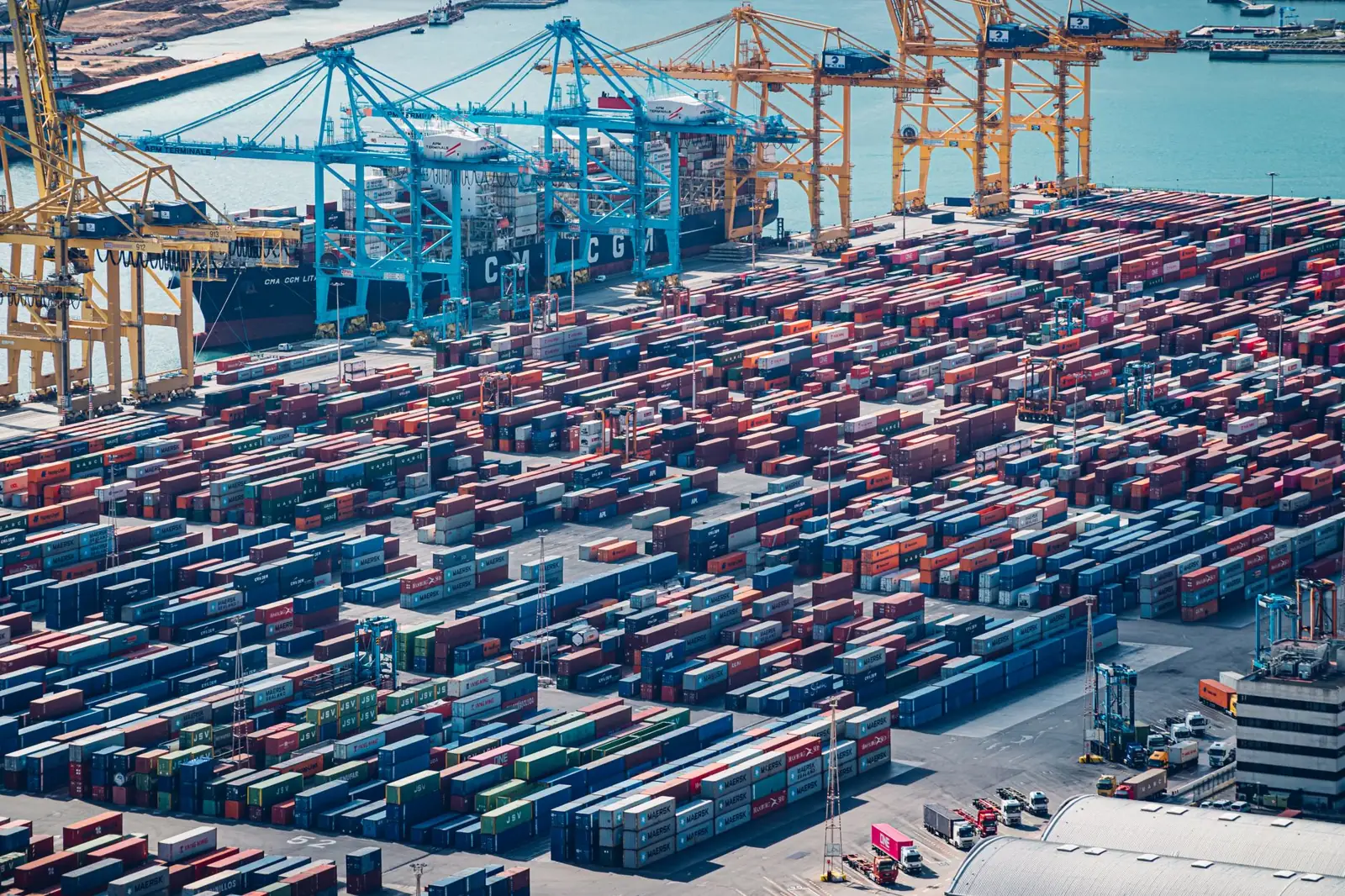
San Pedro Bay at a glance
The ports of Los Angeles and Long Beach share one harbor and handle the largest share of U.S. container imports from Asia. For drayage that means two things: the terminals run the most tightly managed gate systems in the country, and the Inland Empire warehouse market 50–70 miles east sets the transload economics for most of the West.
The APM Terminals Pier 400 clock
We use APM Terminals Pier 400 as the baseline because its MTO rate schedule is published and representative. Free time is four days for dry containers and two business days for reefer and out-of-gauge. The clock starts at 3:00 AM on the day after discharge and expires at 5:00 PM on the Last Free Day; weekends do not count unless the gate is open.
| 40' dry wharf demurrage | Daily rate | 20' (approx.) |
|---|---|---|
| Days 1–5 after free time | $52.77 | $26.39 |
| Days 6–10 | $105.47 | $52.74 |
| Day 11 onward | $210.93 | $105.47 |
Source: APM Terminals Pier 400 MTO Rate Schedule. Ocean carrier demurrage and detention are billed separately under the line's tariff.
Wharf demurrage is only the terminal's half. The ocean carrier bills its own demurrage and detention, often at $200–$400 per day for dry boxes. That two-clock exposure is why a container sitting a week past LFD in San Pedro Bay can cost more than the drayage to Chicago.
PierPASS OffPeak and the Clean Truck Fund
Every loaded container leaving an LA/Long Beach terminal carries two port-mandated fees that should appear as pass-throughs on your drayage invoice, not buried in the linehaul:
- PierPASS Traffic Mitigation Fee (TMF): $40.63 per TEU (20') and $81.26 per 40' or 45', effective August 1, 2026. It funds extended gate hours under OffPeak 2.0.
- Clean Truck Fund (CTF): $10 per TEU and $20 per 40'+ container. Containers moved by zero-emission trucks are exempt.
Inland Empire transloading
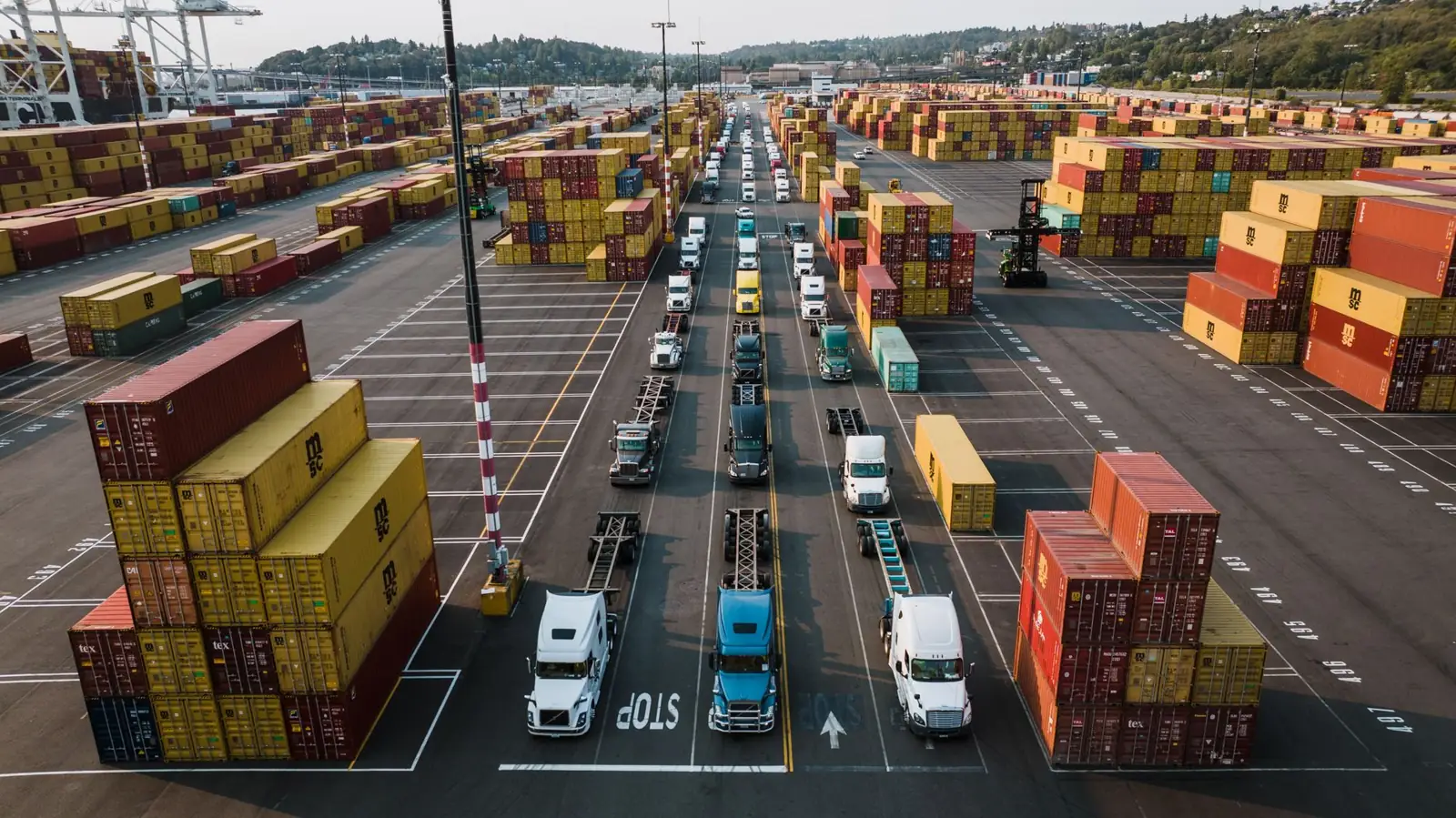
Ontario, Fontana, Rancho Cucamonga, Mira Loma and Riverside hold the warehouse capacity that most LA/LB transloads run through. A 40' floor-loaded container devanned, palletized and reloaded there typically costs $750–$1,200+. Because the drayage leg to the Inland Empire is longer than a local Carson or Compton delivery, base pulls run $600–$900 for a 40', and the chassis is usually out for one to three days.
Near-dock transload in Carson, Wilmington or Long Beach shortens that leg but costs more per square foot. For freight heading east of the Rockies, the 3-to-2 trailer consolidation usually outweighs the difference; see transload vs. direct drayage.
Peak season pre-pull strategy (August–October)
Between August and October, import volumes peak and terminal appointment slots fill days ahead. Containers released on a Thursday can reach LFD before the receiver has a dock slot. Our standing approach in those weeks:
- Book the terminal appointment on release, even if delivery is days away.
- Pre-pull to a secured yard when the delivery appointment falls more than a day after LFD.
- Return empties on dual transactions to save a trip and stay inside detention free time.
- Check the box against the break-even calculator with the LA/Long Beach preset, where TMF and CTF are added automatically.