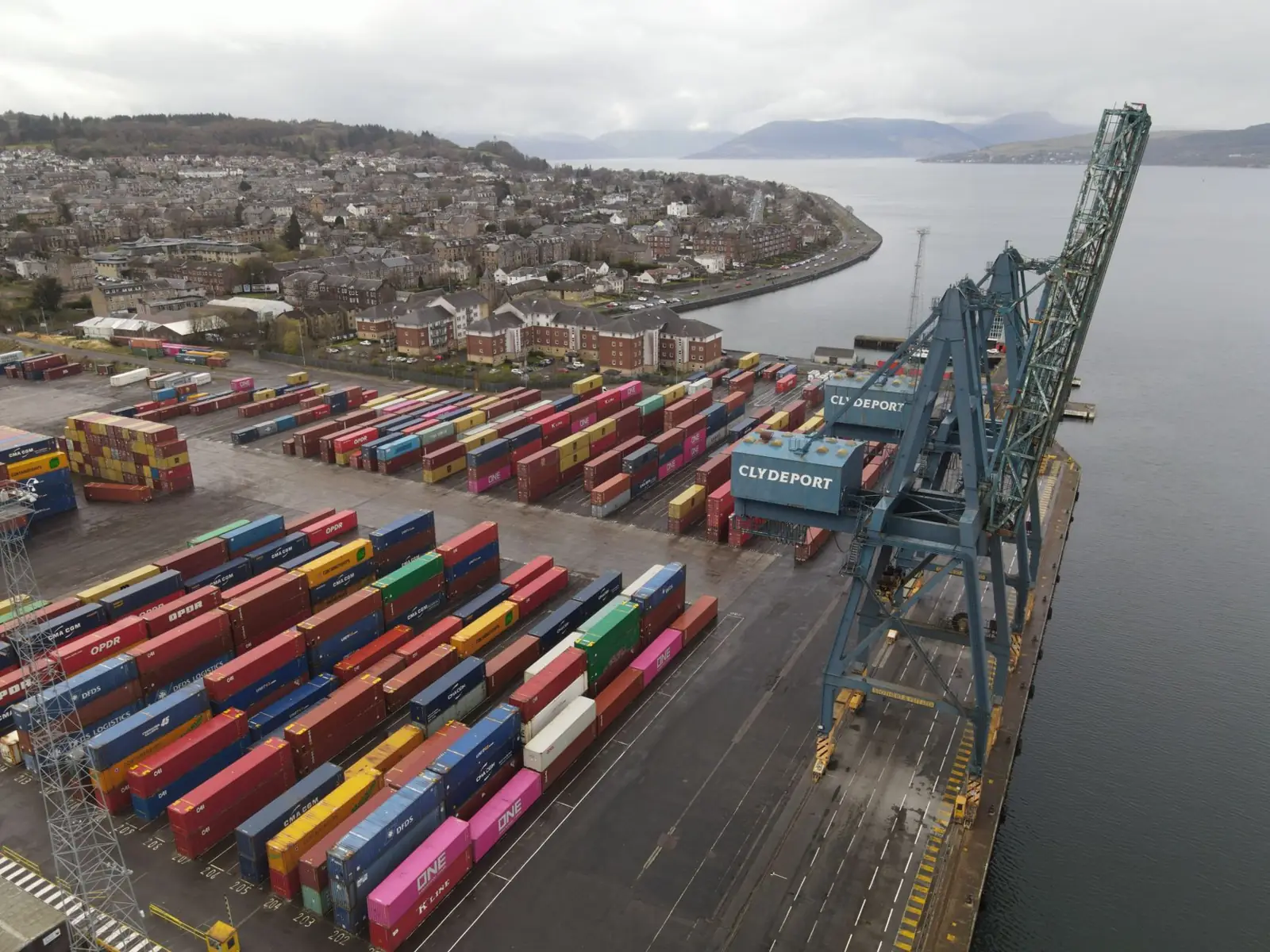
The question
An ocean container lands at the port. You can haul the container itself to its destination (direct drayage, or drayage plus rail), or you can unload it at a warehouse near the port and send the freight on in domestic 53' trailers (transloading). The cheaper answer depends on distance, how many destinations the freight splits into, and how fast the line wants its box back.
The 3-to-2 consolidation rule
A 40' high cube container holds about 2,350–2,650 cubic feet of usable space once loaded. A 53' domestic dry van holds 3,800+ cubic feet. For cube-limited freight, the cargo of three 40'HCs usually fits in two 53' trailers, which cuts the long-haul trips, and the linehaul miles, by about a third.
| Direct (3 × 40'HC) | Transload (2 × 53') | |
|---|---|---|
| Long-haul trucks | 3 | 2 |
| Linehaul miles (index) | 100% | ~67% |
| Transload cost (40' each) | — | 3 × $650–$1,350+ |
| Marine box out of port | Until empty returns from destination | Back within ~48 hours |
| Chassis days | Full round trip | 1–2 days per box |
Detention and chassis: the hidden half
When a container travels 600 miles inland, it is out of the terminal for days: drive out, wait for unload, drive the empty back. Ocean carrier detention free time (often four working days for dry boxes) can run out on the way, and dry detention runs about $185–$260 per day under typical carrier tariffs. The chassis bills every day as well. Transloading near the port returns the empty within about 48 hours of gate-out, inside free time.
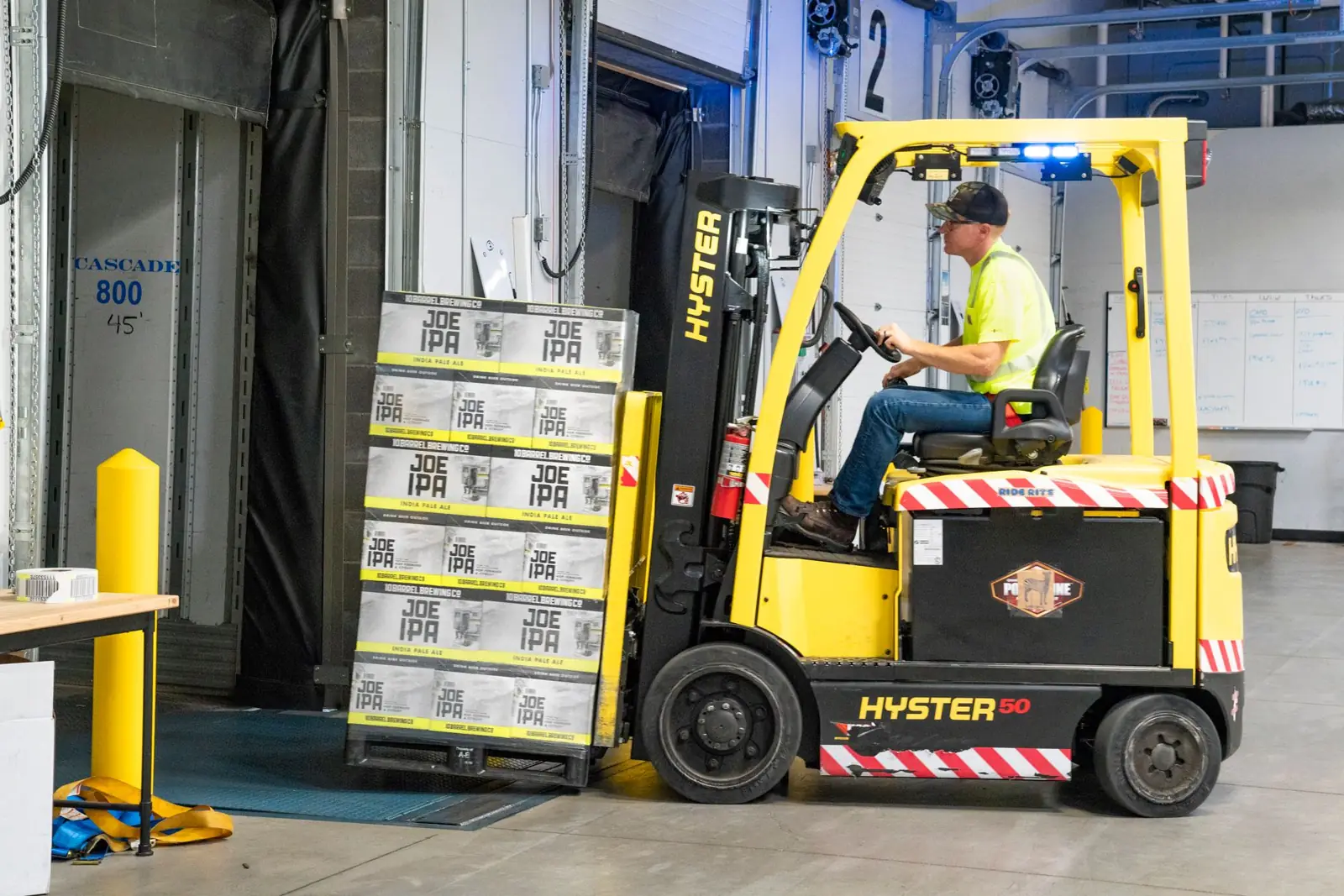
Worked example: three 40'HCs, 700 miles inland
An importer has three floor-loaded 40'HCs of consumer goods arriving at LA/Long Beach for a distribution center 700 miles away.
- Direct: three containers drayed the full distance. Each is out four to six days, so detention free time is usually exceeded by a day or two at roughly $185–$260 per day each, plus four to six chassis days at $20–$50.
- Transload: three 40' transloads in the Inland Empire at $750–$1,200+ each, three short drayage pulls, two 53' trailers for the 700 miles. Empties back the next day.
With one fewer long-haul truck and no detention, the transload route is usually cheaper at this distance even after paying for devanning and palletizing. The same freight going 30 miles to a receiver with its own dock would go direct.
Break-even rules of thumb
| Situation | Usually cheaper |
|---|---|
| Local delivery under ~50 miles, receiver has dock and labor | Direct drayage |
| Single destination 50–150 miles, cargo already palletized | Either: price both |
| Regional or multi-state distribution over ~150 miles | Transloading |
| Freight splits to several DCs or stores | Transloading |
| Receiver requires palletized, labelled freight (retail / FBA) | Transloading |
| Heavy, dense cargo that weighs out before it cubes out | Direct (no 3-to-2 gain) |
| Box moving on a through bill to an IPI rail ramp | Rail + ramp drayage |
Dense freight (tile, beverages, metals) fills a trailer's weight limit before its cube, so the 3-to-2 rule does not apply. Price those moves as direct or tri-axle drayage.
Send the port, destination and container count through the rate quote form and we will price both routes side by side.